
Off-plan real estate has an odd sales problem. You are asking someone to commit serious money to a building they cannot visit, in a neighbourhood that may still be a site fence and a sign. Renders help. A floor plan helps. Neither makes anyone feel what it is like to come home there.
AI film fills that gap well. It can show morning light in an apartment, a family on a terrace, a lobby at night and an office floor in full swing, all before the cranes leave. That power comes with a responsibility: the film becomes part of what the buyer believes they are buying.
Start from the developer’s own drawings.
The architecture in the film should match the architecture in the plans. Work from the developer’s renders, facade drawings, material boards and floor plans, and treat them as product truth, the same way you would treat a label in a product shot. If the drawings show a certain number of floors, the film shows the same number. If the kitchen is open plan, the film does not add a wall to make a shot work.
When something is still undecided, such as the final cladding colour or the lobby furniture, say so in the brief and design the shot around it. A soft focus, a closer frame or a scene set somewhere else is better than inventing a detail that the sales team will later have to explain.
Lifestyle scenes are where AI earns its keep.
The developer usually knows the building inside out. What it needs help with is the life inside it. Who lives here? What does a weekday look like? Where do people walk in the evening? These scenes used to need casting, locations and a crew on a set that looked something like the future building. With AI they can be built around the real design.
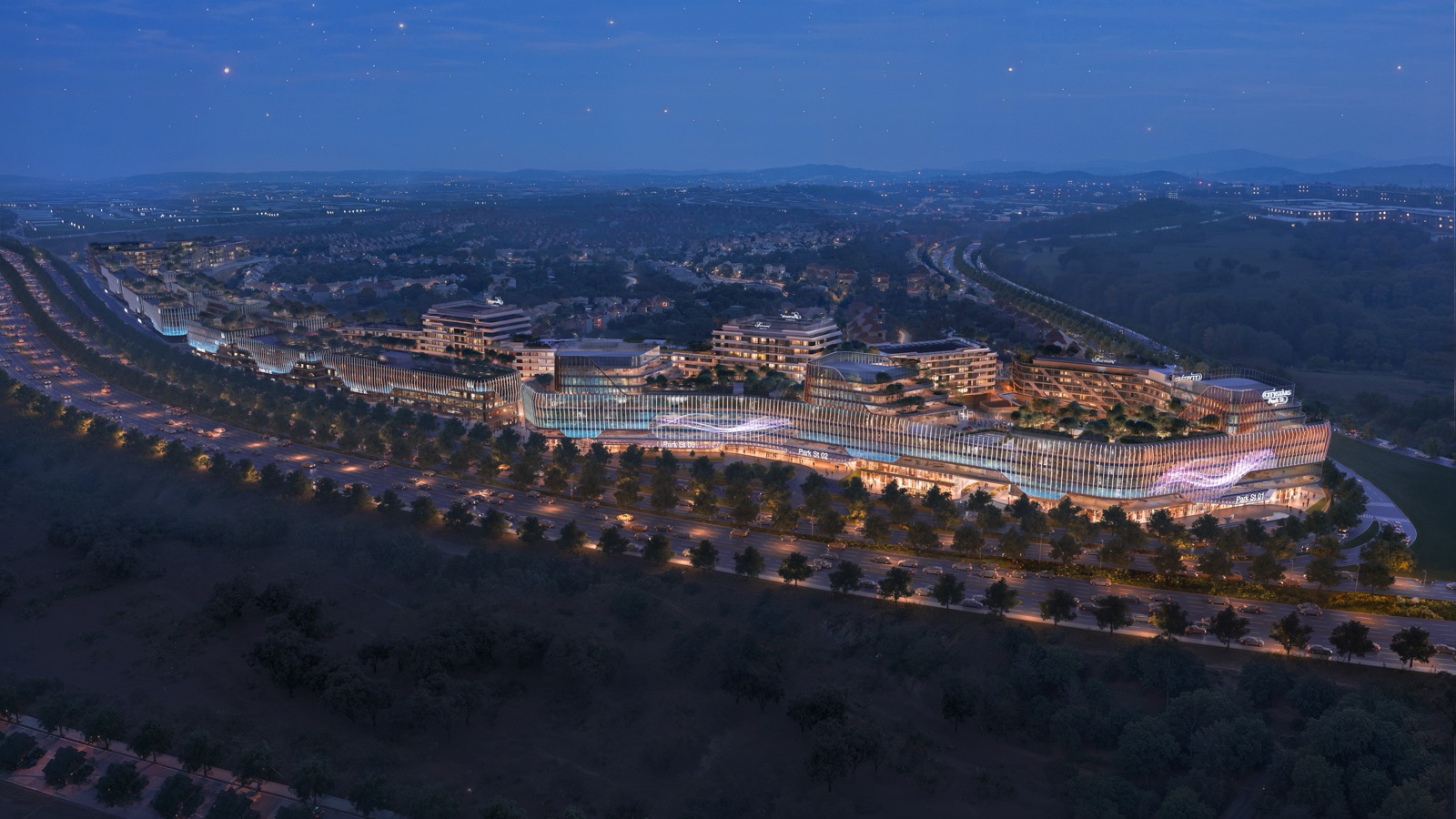
Citystars Park St. is a mixed-use destination in New Cairo that brings commercial, retail, residential and hospitality space into one walkable place. We worked with VML Egypt on AI visual content that captured the human side of that design, carrying the developer’s vision into digital assets made for investors and future residents.
Know who is watching.
A buyer looking for a family home and an investor looking at returns are watching different films, even when the footage is the same. The family wants to picture a Tuesday evening. The investor wants to see finish and location. Office tenants want something else again: a lobby they would bring clients into and a floor their team would happily turn up to.
We went back to VML Egypt for Citystars Park St. Offices, and that film had a different job. It showed the modern design, the premium finishes and a business-forward environment, aimed at investors and prospective tenants. The development was the same. The audience changed, so the film changed.
Some things the film must never fake.
However good they would look, these stay off limits:
- Views the building will not have, such as a sea view from a unit that faces the car park.
- Sizes and proportions, including room sizes, ceiling heights and balcony depth.
- Amenities missing from the plan, such as a pool, a gym or a park nobody has committed to build.
- Neighbours, transport links and distances that do not exist yet, unless they are confirmed and labelled as future.
- Finishes and fittings the developer has not specified.
Put a check against this list into the approval round, signed by someone from the developer who knows the plans. Add a line on screen saying the visuals are illustrative wherever the market expects it, and check the rules for off-plan advertising in each market you run in. A beautiful film that misleads a buyer is a legal problem with good lighting.
A good real estate film makes a buyer want the life and trust the building. AI is excellent at the first part. The second part comes from sticking to the drawings, with a director who would rather lose a pretty shot than sell a balcony that does not exist.